Achieve Perfect Walls: Tips and Techniques from Wilson's Slick Finish Dec 10, 2025
The journey to impeccable walls begins with selecting the right drywall. Consider the specifics of your project, such as room type and moisture levels. For areas with high humidity, like bathrooms, moisture-resistant drywall is advisable. This choice prevents issues such as mold and deterioration, ensuring longevity and durability.
Preparation is key to achieving seamless walls. Start by inspecting your wall framing to ensure it's straight and level. This step is crucial because any imperfections in the framing will affect the finished surface, making it difficult to achieve a smooth finish. It’s also a good idea to use a level and a measuring tape for precision. Before installing, clean the area to remove any dust and debris that might interfere with adhesion.
Installation might seem daunting, but breaking it down into manageable steps makes it approachable. Begin by cutting the drywall panels to fit. Always cut with the paper side facing you for cleaner edges. Carefully fasten the panels to the wall studs using drywall screws. Remember to install horizontally and stagger joints to enhance stability and minimize stress on the seams. Ensuring screws are not driven too deep will avoid unnecessary indentations or perforations.
Seams need careful attention as they contribute significantly to the overall appearance of your walls. The taping process involves covering the seams between panels with drywall tape, a critical procedure that calls for precision. Opt for paper tape in areas needing extra strength and mesh tape for straightforward applications. Apply the tape evenly to prevent bubbling or wrinkling, ruining the seamless look.
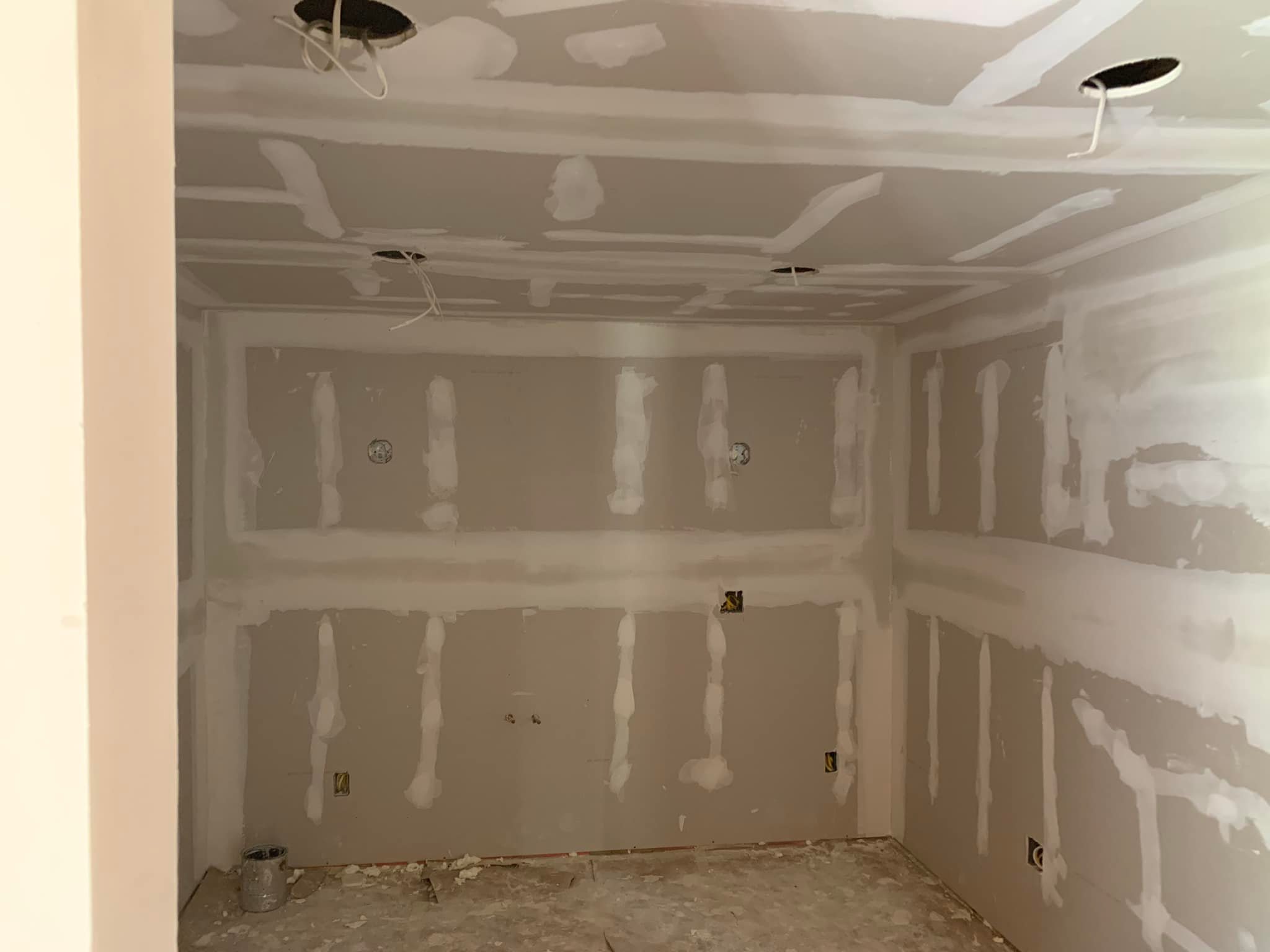
Once taped, it's time to mud the joints. Use a high-quality joint compound to cover the tape and screws. Start with a thin layer, let it dry, and then apply additional layers. Each layer should be broader than the last to blend seamlessly into the wall surface. For a professional touch, feather the edges with a knife to smooth out transitions between layers.
Sanding is the final step and one that demands patience. Use fine-grit sandpaper for a smooth finish, taking care not to over-sand, which can expose the tape or damage the drywall surface. Vacuum dust often during this process to maintain a clean workspace and ensure smoothness.
Your hard work deserves to be showcased. Prior to painting, consider applying a drywall primer. This step ensures the paint adheres correctly and appears evenly, resulting in a more attractive finish. Priming is particularly crucial if your walls will receive dark or glossy paint.
Wilson's Slick Finish Drywall aims to empower you with these tips and techniques, ensuring your drywall project is a triumph. Whether you take on the job yourself or seek professional help, having this knowledge ensures you understand the process, leading to more informed decisions and satisfying results. Beautiful, perfect walls contribute not only to the warmth of your home but also to its lasting value. Remember, the key lies in preparation, precision, and a keen eye for detail. Achieve the perfect finish and transform your living space today.
/filters:no_upscale()/filters:format(webp)/media/69GJOSARW2DWTU50FUFMAECWANV3PDP0KMNGH5X9.jpeg)
/filters:no_upscale()/filters:format(webp)/media/758d816c-affe-4f85-99dd-9917f62c7aa5.jpeg)